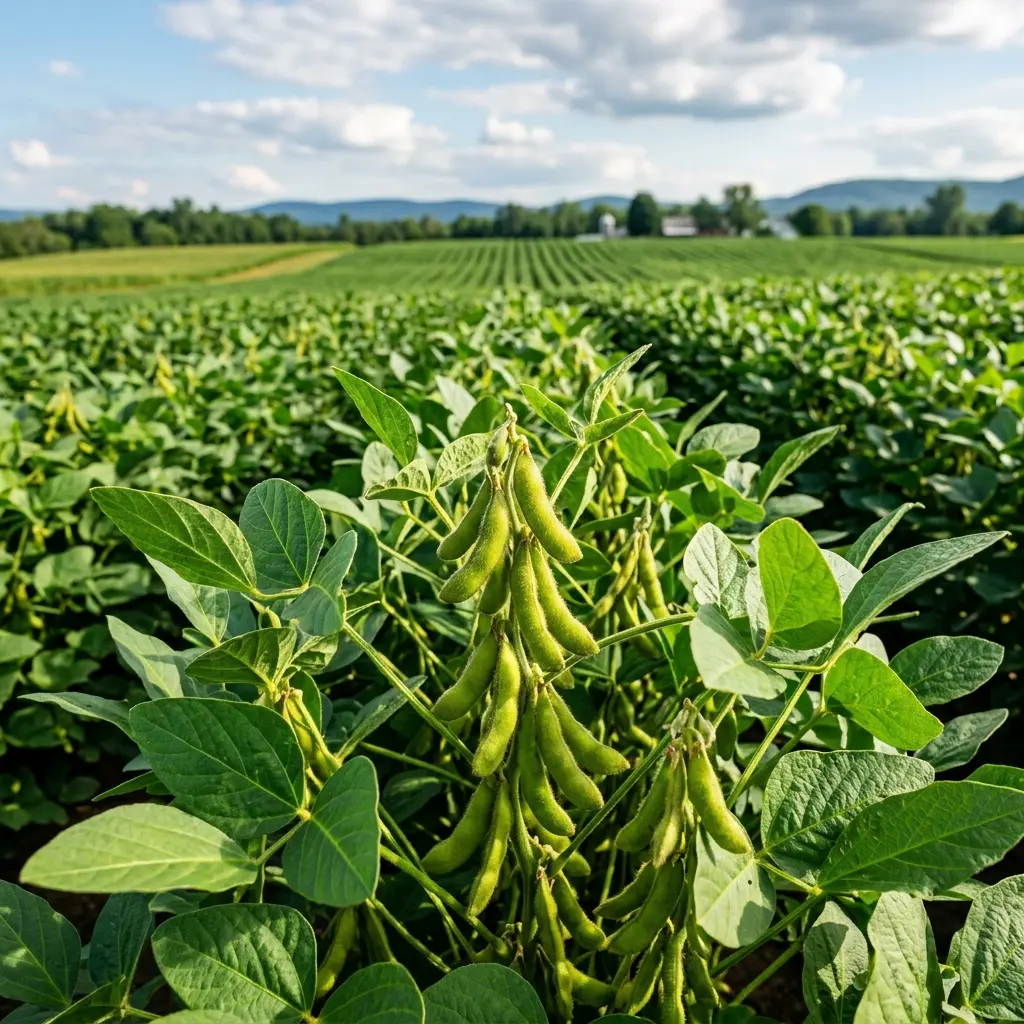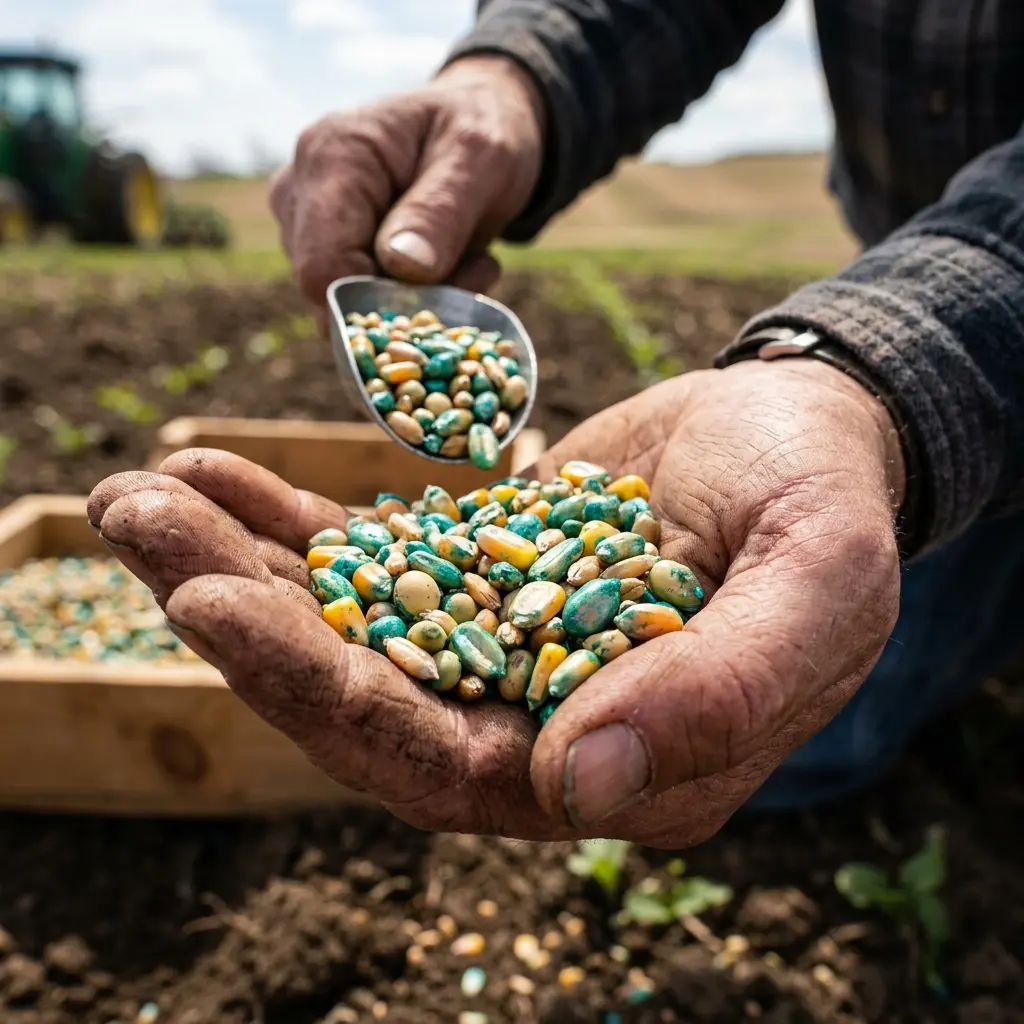

Three nutritional management decisions that keep your crops active when the weather turns. A practical guide based on real trials with growers in MT, GO, and BA.
Water stress is one of the main factors limiting productivity in Brazilian crops. However, the strategic use of biostimulants and amino acids can prime plant physiology to tolerate prolonged dry spells.
When a plant enters water stress, its initial response is stomatal closure to prevent water loss through transpiration. While effective for survival, this halts photosynthesis and nutrient uptake, stopping growth.
Foliar application of specific amino acids acts as a cellular osmoprotectant. They maintain cell turgor and metabolic flow, allowing the plant to continue its cycle even under adverse moisture conditions.
A plant can only withstand drought if it can tap water from deep soil layers. Nutrients that stimulate initial cell division and vigorous rooting are fundamental during the early stages of the crop.
Treatments combining highly available phosphorus and rooting inductors create a robust root system, ensuring access to subsurface moisture during critical dry spells.
Drought generates oxidative stress, accumulating free radicals that damage leaf cells and cause yellowing. Nutrients and amino acids with antioxidant action combat this wear, keeping leaves green and productive longer.
In trials conducted by our technical team on partner farms, crops treated with our biostimulation technology showed less leaf drop and maintained yield potential above regional averages.
"Productivity during drought is not defined only by rainfall, but by the physiological resilience and preparation the plant has before the stress begins."
Questions about the right management for your crop? Our agronomic team is ready to help.